

Ant Control London
Correct Pest Solution provides ant pest control in London for homes and businesses. We identify the activity, trace entry points and recommend the right treatment.
Why Are Ants Attracted to Your Property?
Food & Shelter
Crumbs, food waste and sheltered gaps can give ants a reason to explore a property and return to the same area.
Sugary Foods
Spilled drinks, sticky surfaces and exposed food can attract foraging ants and reinforce existing trails.
Excess Moisture
Damp areas, leaking plumbing and small gaps around doors, windows, walls or pipework can make it easier for ants to enter.
Common Signs of an Ant Infestation
Activity around sinks areas
Moisture can make kitchens, utility areas and bathrooms attractive to ants.
Repeated ant trails at home
Lines of ants following the same route can indicate an established food trail.
Ants entering through gaps
Check around windows, doors, skirting boards, pipe entries and wall junctions.
Activity increasing fast
A growing number of ants can indicate that a reliable food source or access.
Ants returning after DIY treatment
After treating visible ants can mean the source has not been addressed.
Ants around food or pet bowls
Accessible food can encourage ants to keep returning to the same area.
Persistent ant activity?
Professional Ant Pest Control in London
Targets More Than Visible Ants
We look beyond the ants you can see to address the wider problem.
Suited to the Property
The treatment approach is chosen around the infestation and the property rather than using the same method every time.
Supports Long-Term Control
Practical advice can help reduce the conditions that allow ants to return.
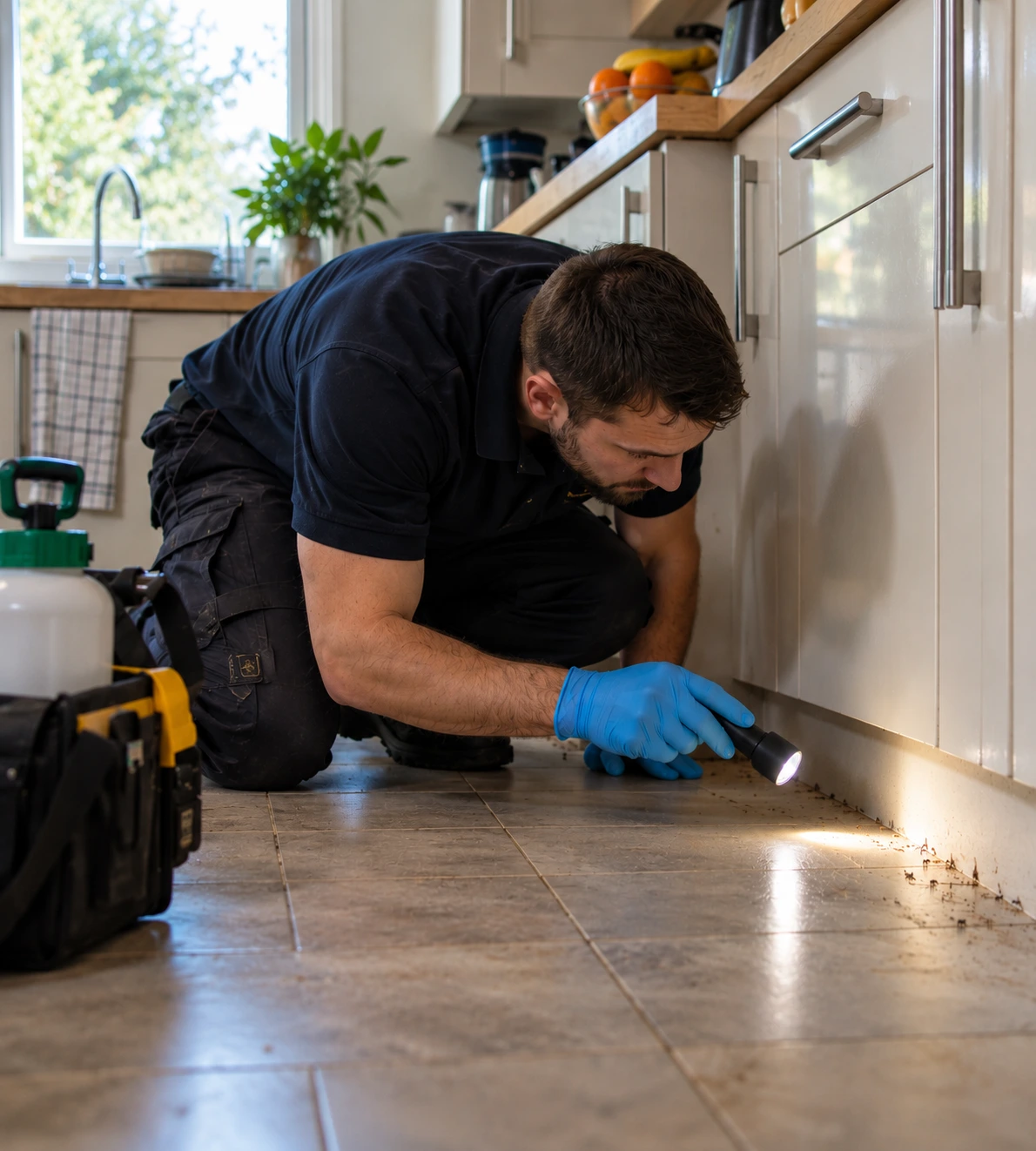
Our Approach to Ant Control in London
1. Inspection
We assess where the ants are active, what route they are following and the conditions that may be supporting the infestation.
2. Identification
We assess the likely ant species because different species can require more specific and targeted treatment approaches.
3. Treatment
We select an appropriate treatment based on the infestation and explain what to expect before, during and after the work.
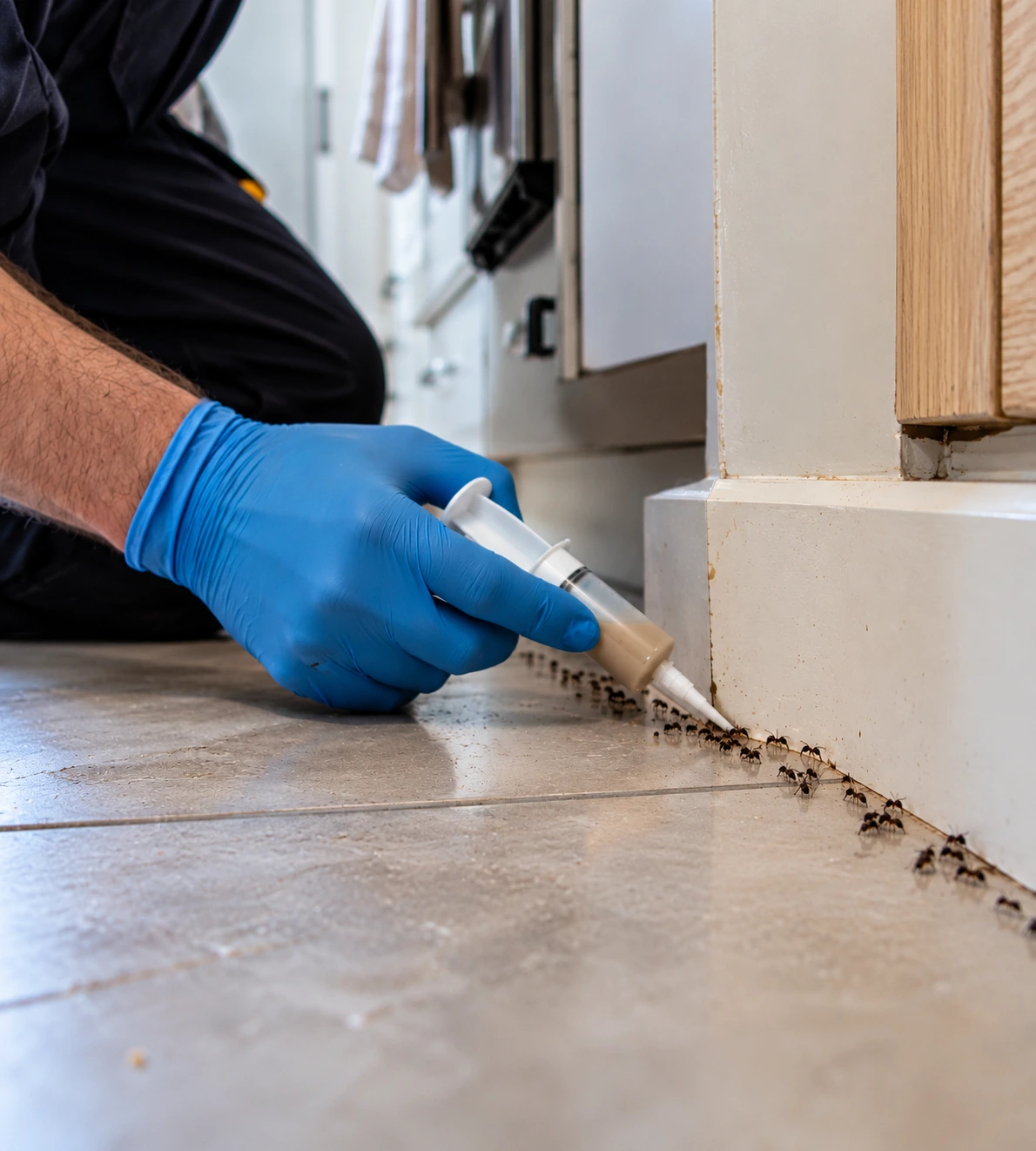
How Ant Treatment Works
Baiting, where appropriate
With suitable ant baits, worker ants can carry the bait back towards the colony. This is why baiting can be useful where the objective is colony-level control rather than simply killing ants on contact.
Pharaoh ants need particular care
Pharaoh ants can spread by colony splitting when disturbed. BPCA guidance specifically recommends baiting rather than residual treatment for Pharaoh ant control, which is why suspected Pharaoh ant activity should be identified before choosing a treatment method.
After treatment
Follow the treatment instructions provided for your property and avoid adding other pest-control products around treated areas unless you have been advised to do so.
How to Reduce the Risk of Ants Returning
Keep food sealed
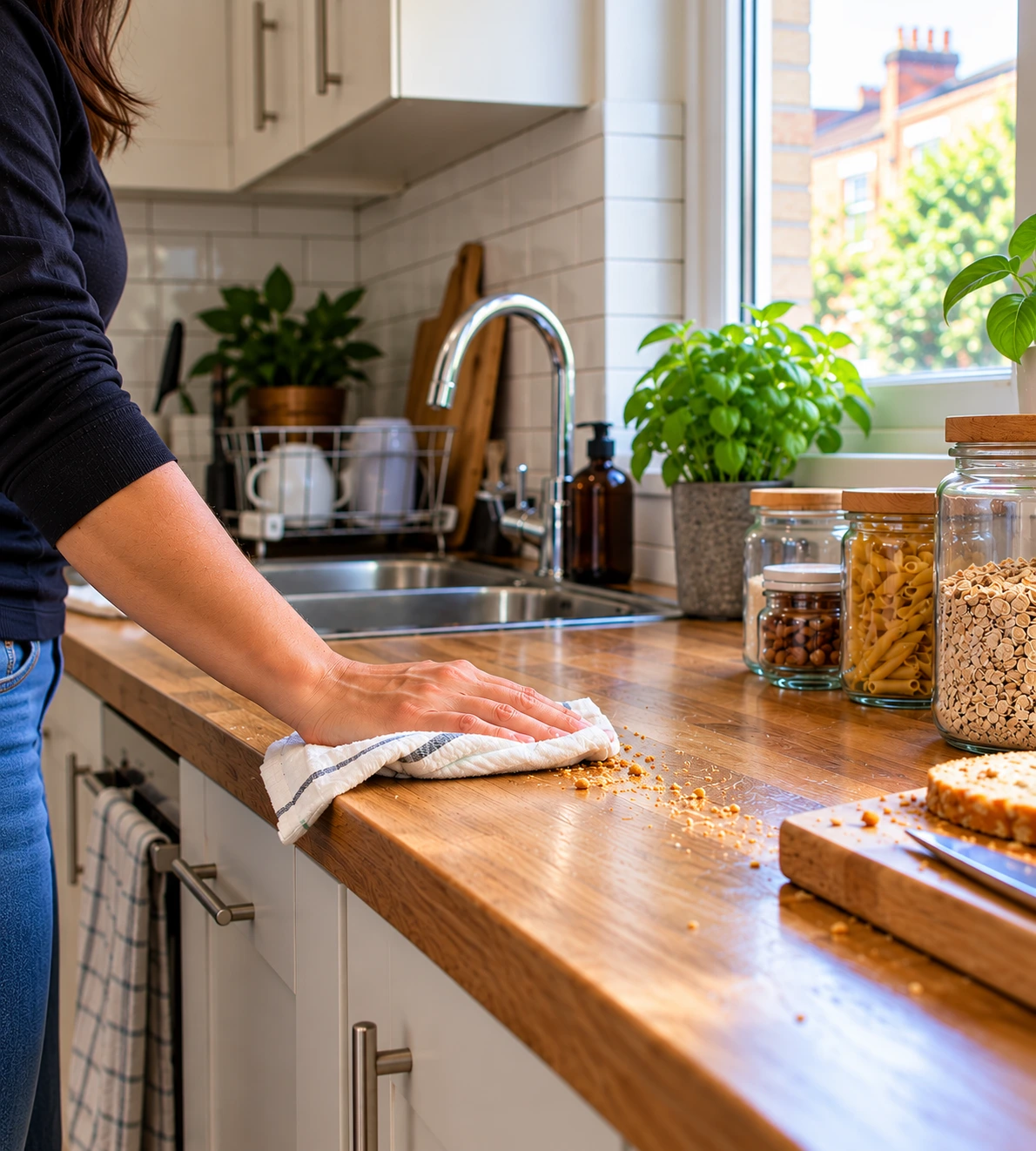
Store food properly, clean sugary spills promptly and avoid leaving food exposed.
Reduce moisture
Deal with leaking taps, pipes and other moisture problems where possible.
Check entry points
Paving, patios, garden edges and external walls can all provide routes between outdoor ant activity and the building.
Do not interfere with treatment
Where bait or other treatment has been placed, follow the technician’s aftercare instructions rather than adding another product yourself.
Need Ant Control Near You?
Trusted by Our Customers


 Trustindex verifies that the original source of the review is Google.
 Trustindex verifies that the original source of the review is Google.
 Trustindex verifies that the original source of the review is Google.
 Trustindex verifies that the original source of the review is Google.
 Trustindex verifies that the original source of the review is Google.
 Trustindex verifies that the original source of the review is Google.
 Trustindex verifies that the original source of the review is Google.
 Trustindex verifies that the original source of the review is Google.
 Trustindex verifies that the original source of the review is Google.
 Trustindex verifies that the original source of the review is Google.
Why Correct Pest Solution?
Free Quotes
Get a clear starting point before treatment begins.
Targeted Treatment
Selected Treatment for infestation, species and property conditions.
Clear Advice
Know what to do before and after treatment and what to expect.
Homes & Businesses
Ant pest control is available for domestic & commercial properties.
London Service
A local service page designed around properties across London.
Aftercare Support
Practical advice on food, moisture, access and reducing repeat activity.